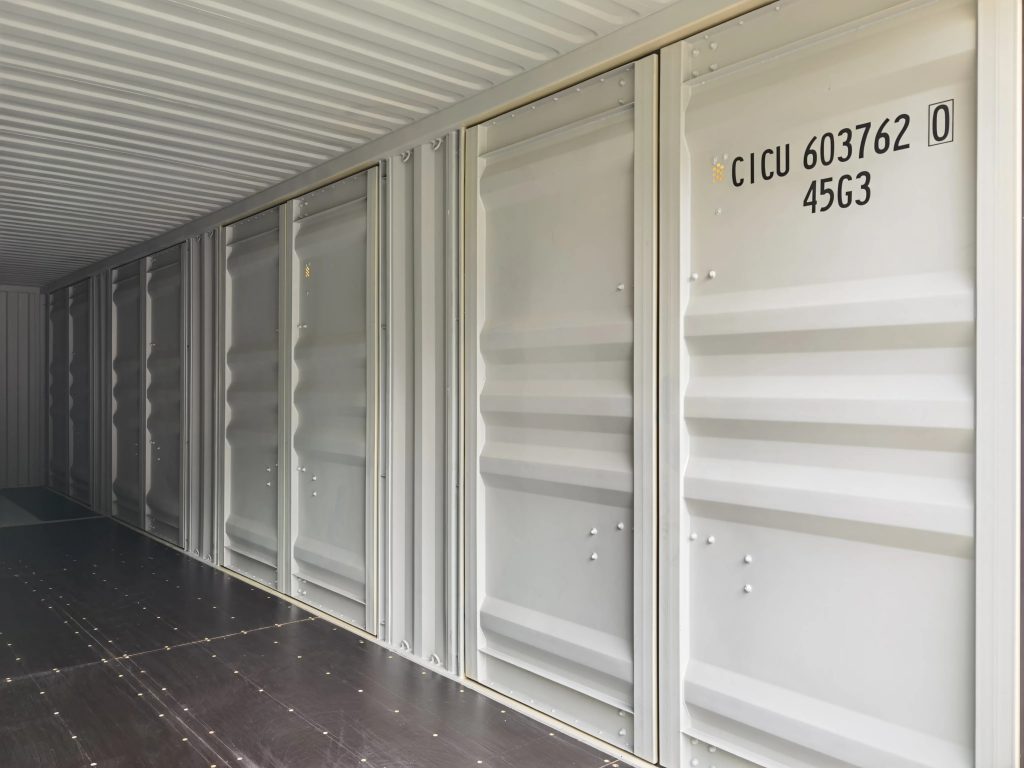
Everything You Need to Know About 45-Foot Shipping Containers
Over the last few years, shipping containers have evolved beyond their traditional function in transporting items around the world. Among the most versatile alternatives available is the 45-foot shipping container. This post will supply a helpful overview of 45-foot shipping containers, discussing their dimensions, utilizes, advantages, disadvantages, and regularly asked concerns.
What Is a 45-Foot Shipping Container?
A 45-foot shipping container is a steel box typically used for transferring goods by sea, land, or rail. These containers are longer than the basic 20-foot and 40-foot containers, making it possible for effective storage and transportation of larger quantities of items. The additional length supplies included versatility for organizations, professionals, and specific projects.
Dimensions of a 45-Foot Shipping Container
Below is a table outlining the basic dimensions and specifications of a 45-foot shipping container.
| Dimension | Measurement |
|---|---|
| External Length | 45 ft (13.72 m) |
| External Width | 8 ft (2.44 m) |
| External Height | 9.5 ft (2.89 m) |
| Internal Length | 44.5 ft (13.56 m) |
| Internal Width | 7.8 ft (2.35 m) |
| Internal Height | 8.5 ft (2.59 m) |
| Maximum Gross Weight | 67,200 pounds (30,000 kg) |
| Tare Weight | 8,000 lbs (3,600 kg) |
| Maximum Payload | 59,200 lbs (26,800 kg) |
Types of 45-Foot Shipping Containers
These containers come in different types, each developed for particular applications. Here are the most common varieties:
- Standard Dry Container: The most common type, designed for basic cargo.
- High Cube Container: Offers extra height for bulkier products.
- Reefer Container: A cooled container for perishable goods.
- Open Top Container: Ideal for extra-large cargo that can not be packed through standard doors.
- Flat Rack Container: Used for heavy, oversized equipment or cargo requiring a flat filling surface.
Benefits of 45-Foot Shipping Containers
The increased length of 45-foot shipping containers comes with a number of notable advantages:
- Increased Storage Capacity: They enable more items to be transported or kept, which can be crucial for companies with high stock needs.
- Affordable Transportation: Fewer journeys might be required to move the very same quantity of products compared to smaller containers, causing minimized shipping costs.
- Versatile Usage: Beyond shipping, these containers are typically repurposed for storage, pop-up shops, and even homes.
- Resilience: Made from robust steel, they stand up to extreme weather conditions and are unsusceptible to bugs, making them secure storage systems.
- Easier Stacking: Their standard dimensions enable for effective stacking, optimizing area for storage centers and logistics.
Drawbacks of 45-Foot Shipping Containers
While 45-foot containers have many benefits, there are some drawbacks to consider:
- Limited Availability: While popular, they are not as extensively readily available as the standard 20 and 40-foot containers.
- Higher Initial Cost: The upfront expenses to purchase or rent a 45-foot container may be greater due to its size.
- Trouble with Maneuverability: The longer length can make them more challenging to transfer and maneuver in tighter areas or urban environments.
- Transport Restrictions: Not all trucking business or freight suppliers are geared up to manage longer containers, which might complicate logistics.
Utilizes of 45-Foot Shipping Containers
The uses for a 45-foot shipping container are diverse. Here are a number of typical applications:
1. Storage Solutions
Whether for building and construction websites, retail outlets, or houses, these containers supply sufficient area for storage, keeping products protected and weatherproof.
2. Custom-made Living Spaces
Progressively, homeowners and contractors are transforming 45-foot containers into comfortable living areas, workplaces, or leisure locations.
3. Shipping and Logistics
Suitable for companies requiring to transfer large amounts of goods effectively, the 45-foot container can assist simplify operations.
4. Mobile Businesses
Business owners use these containers to produce pop-up stores or food trucks, providing mobility and sufficient storage.
5. Eco-Friendly Projects
Because shipping containers are repurposed materials, using them in building projects can contribute to sustainability efforts.
Often Asked Questions (FAQ)
1. How much does a 45-foot shipping container cost?
- Pricing differs based upon condition (brand-new or used), place, and style adjustments. On average, a used container might cost in between ₤ 4,000 and ₤ 7,000, while new containers might surpass ₤ 10,000.
2. Can these containers be modified?
- Yes! COG Containers LTD of companies provide personalization options, including extra doors, windows, insulation, and electrical systems.
3. How are 45-foot shipping containers provided?
- Shipment typically needs a flatbed truck capable of steering longer containers. Make sure to check zoning and local policies before scheduling delivery.
4. Are 45-foot shipping containers protect?
- Yes, they are made from long lasting steel and can be fitted with locks for included security, making them a dependable storage choice.
5. What is the weight limitation for a 45-foot container?
- The maximum gross weight is approximately 67,200 pounds, however the specific limit might vary based upon the container style and local guidelines.
The 45-foot shipping container is a flexible and efficient solution for different shipping, storage, and imaginative applications. With a broad range of options and significant capacity for goods, these containers can satisfy varied business needs. Nevertheless, it is important to weigh the advantages and disadvantages when thinking about a purchase or rental. By comprehending their dimensions, uses, and potential expenses, people and organizations can make informed choices about integrating 45-foot shipping containers into their operations.